From training to practice: Afri’Kibaaru puts biodiversity on the media agenda
Related project
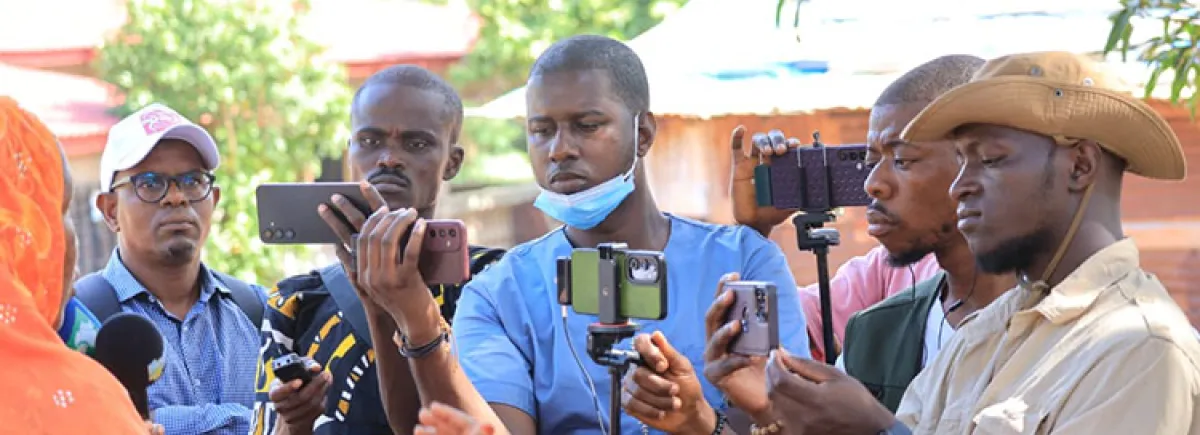
Afri’Kibaaru 2Four countries, one day, sixteen reports. To mark International Day for Biological Diversity, twenty journalists from West and Central Africa left the training room to head out into the field, and demonstrated that collaboration between media organisations makes it possible to produce and publicise content that raises awareness amongst the communities concerned.
In West and Central Africa, the consequences of climate change are very real, but they receive little attention in local and national media.
As a result, their citizens lack the information needed to understand the mechanisms involved and their impact on their daily lives. They therefore also lack the tools to contribute to the public debate and the search for solutions. Against this backdrop, local media coverage of this issue has become essential.
To address this challenge, CFI is implementing the second phase of the Afri’Kibaaru project, funded by the French Development Agency (AFD), in partnership with France Médias Monde (FMM).
Its aim is to build the capacity of media organisations and journalists in Senegal, Guinea, Côte d’Ivoire and Cameroon to produce reliable, accessible and high-quality content on the effects of climate change, on the one hand, and to highlight adaptation and mitigation solutions promoted by the authorities, communities or eco-innovative businesses, on the other.
International Day for Biological Diversity: a real-life example of putting theory into practice
To mark International Day for Biological Diversity, journalists were able to put theory into practice. The event, whose theme was “Acting locally to make a global impact”, enabled participants to draw on the skills and knowledge they had acquired in order to produce content highlighting practical initiatives aimed at preserving biodiversity.
The aim is twofold: to support journalists in covering a global event at a national level and to encourage multimedia collaboration between media organisations in the four countries with a view to fostering future regional productions.
Four temporary editorial teams to produce the content
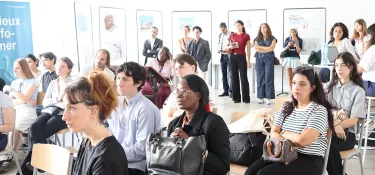
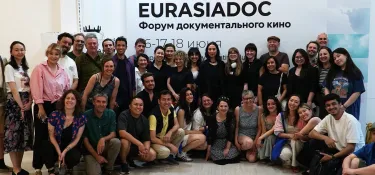
Twenty journalists from the project, along with four RFI correspondents, took part in this activity; 16 pieces of content were produced and published in the local media or on social media. The project took place in two stages: firstly, masterclasses organised in the four countries to define the topics and angles to be covered before the reports were produced, followed by the setting up of pop-up newsrooms on International Day for Biological Diversity.
These newsroomss provided an opportunity to finalise the reports and for journalists from different countries to discuss the topics with one another, in order to identify their shared issues (deforestation, waste management, the decline in mangrove areas).
Results that go beyond International Day for Biological Diversity
The initiative enabled the participants to broaden their understanding of and approach to environmental issues by placing greater emphasis on biodiversity, a topic rarely covered in the media. It has also helped to strengthen collaboration on this issue, thereby breaking down silos that can sometimes exist between newsrooms, particularly in Guinea.
These various projects demonstrate the wide range of issues covered by the theme of biodiversity and the need to keep the communities most affected informed.
What next?
As part of this initiative, four journalists from the Afri’Kibaaru project will attend COP 31 in Antalya, Turkey, in November, to provide coverage of the event from an African perspective. Eight others will also receive support for investigative journalism to produce a report on a topic related to climate change.
Here is some of the content we have produced:
- Guinea:
- Côte d'Ivoire:
- La biodiversité à l’épreuve de la modernisation urbaine : le Plateau cherche l’équilibre vert (Coverage)
- Pollution électronique et impact sur la biodiversité aquatique à Abidjan - Le Mediacitoyen.com : À Abidjan, des milliers de tonnes de déchets d’équipements électriques et électroniques (DEEE) échouent via les eaux de ruissellement ou par rejet direct dans la lagune Ébrié. Les substances toxiques contenues dans ces déchets électroniques contaminent silencieusement la faune et la flore aquatiques et remontent jusqu’à l’assiette des habitants de la capitale. Cameroon:
- Au Cameroun, des projets communautaires pour préserver les plantes médicinales
- Impacts of the pressure on communal forests on food supply and human health: The case of the Banyo forest:
Image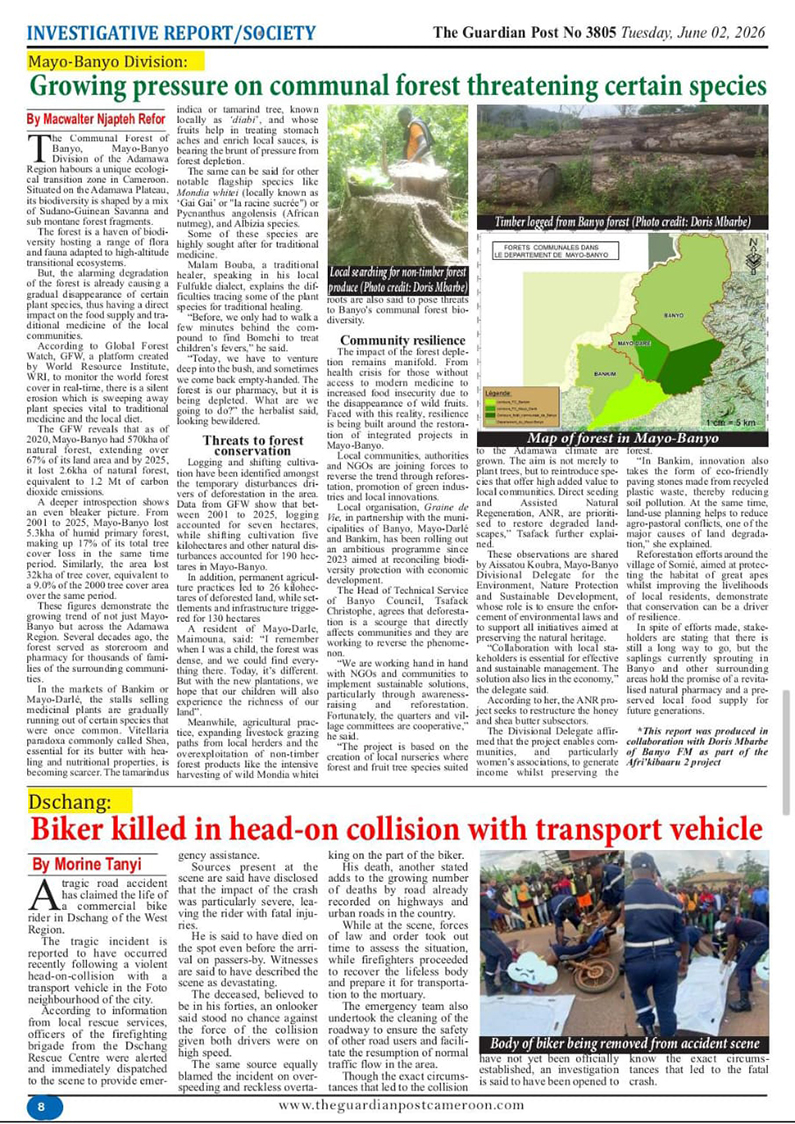
- Senegal: