Informing to better protect: the media and health-related disinformation, a round table discussion at the One Health Summit in Lyon, April 2026
The One Health approach - which links human, environmental and animal health - provides a framework for addressing the interconnection between environmental, health and climate issues. In this context, it is vital to ensure that people have access to reliable information so that they understand this approach and the links between human activity and health.
Zoonotic diseases - diseases transmitted from animals to humans - have played an increasingly significant role in the health crises of recent years (bird flu, Covid-19, Hantavirus, etc.). The emergence of these diseases, linked to ecosystem disruption, increasing urbanisation and climate change, is accompanied by another phenomenon: the widespread circulation of misinformation, which undermines confidence and clouds public understanding.
The Media for One Health project
It is in this context that CFI is working to improve the quality of information and raise public awareness.
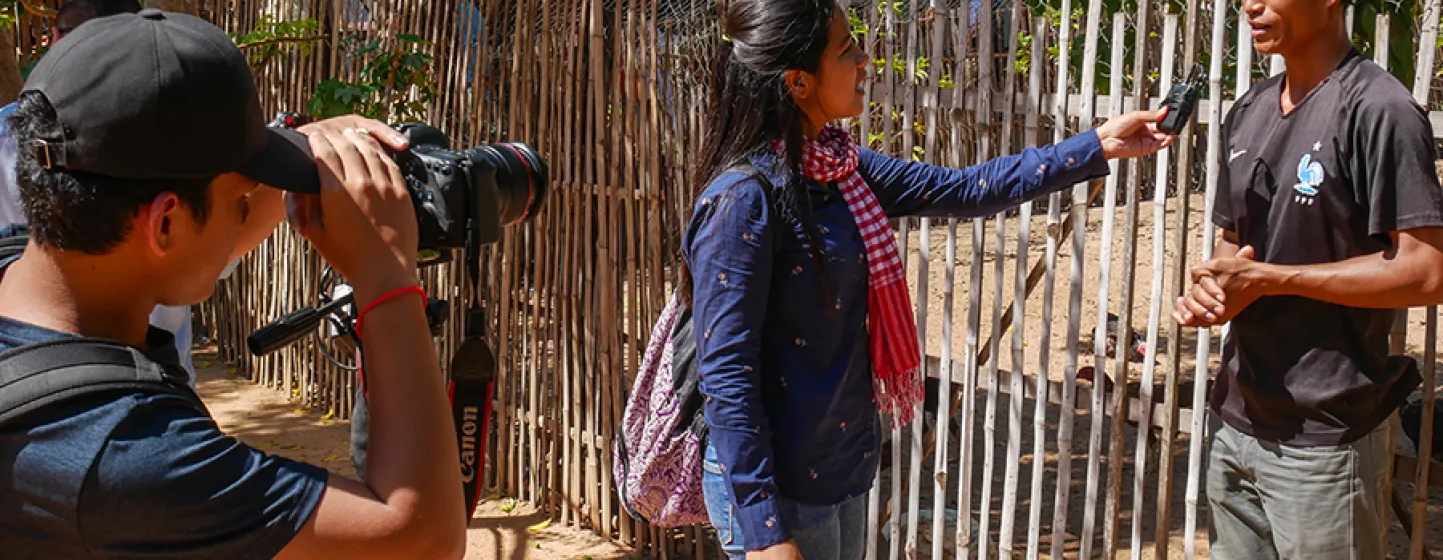
This involves supporting media players in understanding health issues, and in producing and disseminating content linked to the One Health approach, in particular through the Media for One health project. Work that will enable audiences to better understand this approach.
Implemented in four South East Asian countries - Cambodia, Laos, the Philippines and Vietnam - the project has supported 150 media outlets, trained 50 journalists, and strengthened links between journalists and the scientific community. In total, 149 pieces of content on One Health issues were produced, generating nearly 694,000 views.
CFI at the One Health Summit in Lyon
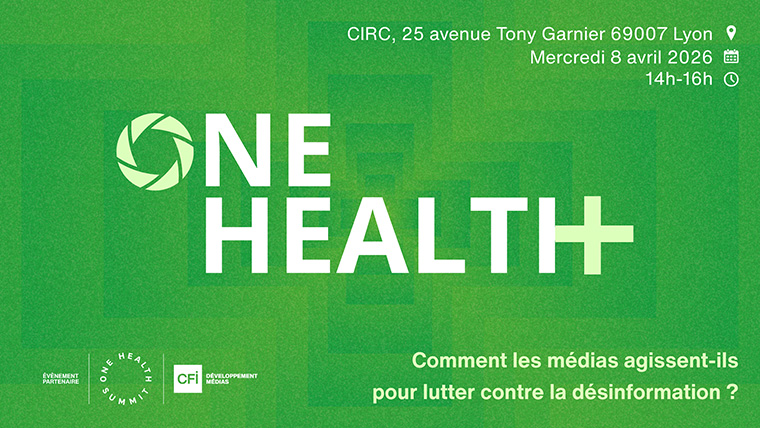
CFI also organised a round table discussion as part of the international One Health Summit hosted by France in April 2026 in Lyon.
This exchange brought together panellists from the media and the health sector to examine the causes of health disinformation and measures to counter it.
Moderated by Fabrice Turri, media consultant and coordinator of CFI's Media for One Health project, the round table discussion featured Solenne Le Hen (France info); Adel Mebarki (Foresight Data Agency); and Catherine Bertrand-Ferrandis, Veterinary Doctor and expert in public health risk communication and infodemic management.
(Dis)information: an unequal battle
One of the key findings of the round table discussion was clear: fighting disinformation is more difficult than producing it. It takes much more effort to deconstruct a belief than to create it - this is the “Brandolini effect*”. In the face of this, reactive strategies have proven insufficient: prevention, anticipation and media education are becoming a priority.
This challenge goes hand in hand with changes in the way information is used, particularly among young people, who are increasingly turning to social media for information. The traditional media are finding it increasingly difficult to capture their attention, which raises questions about the reliability of information circulating in an environment dominated by virality mechanisms.
Health, a strategic target for manipulation
Health has become a fertile ground for disinformation campaigns, often serving political or geopolitical objectives. Indeed, its emotional appeal helps content to spread quickly and gain traction. Disinformation in the health sector therefore goes well beyond the medical sphere, forming part of wider interference strategies.
The media are therefore faced with a constant dilemma: how to deal with misinformation without helping to disseminate it? This risk of magnification is all the greater in the field of health, where scientific knowledge is evolving rapidly and may call previous claims into question.
Training, educating, connecting: key courses of action for a sustainable response
In light of these findings, several courses of action have emerged: strengthening the training of journalists in health matters and disinformation mechanisms; developing media literacy from an early age; and creating spaces for dialogue between science, the media and civil society to strengthen collaboration.
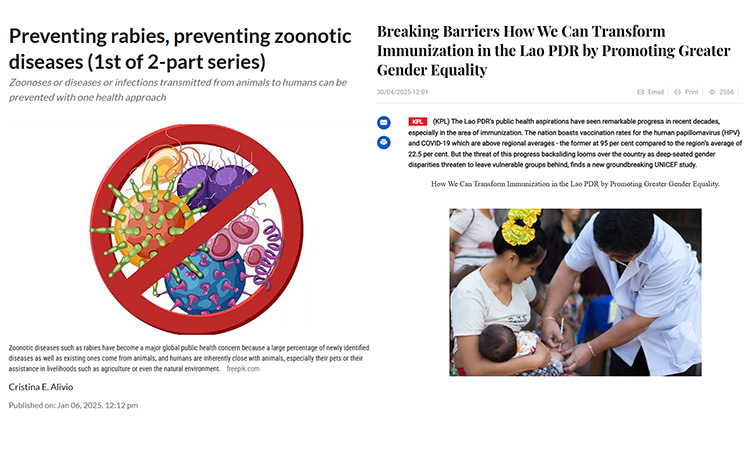
These recommendations echo the actions taken by CFI, particularly as part of the Media for One Health project, which has helped to strengthen the production and dissemination of reliable content on One Health issues.
Disinformation knows no borders; promoting access to reliable information appears to be a major public health challenge.