
COP17 on biodiversity: reporting on the protection of living things
To mark COP17 on biodiversity, taking place from 19 to 30 October 2026 in Yerevan, Armenia, CFI is highlighting its efforts to improve reporting on environmental issues. From West Africa to the Asia-Pacific region, the Afri’Kibaaru 2 and Terra Asia projects support the media in better documenting the threats to ecosystems, raising public awareness and combating disinformation.
Deforestation, the disappearance of mangroves, water pollution and the degradation of natural habitats: threats to biodiversity have a direct impact on people’s lives. Yet these issues are sometimes under-reported in the media, particularly at a local level.
In the face of these challenges, journalists play a vital role. Investigating the causes of these upheavals, giving a voice to the communities affected, checking information and reporting on the existing solutions all require specialist knowledge and appropriate tools.
It is with this in mind that CFI supports the media in Africa and the Indo-Pacific region through training, support for content production and the development of new journalistic practices.
Afri’Kibaaru 2 : strengthening environmental reporting at grassroots level
In Senegal, Guinea, Côte d’Ivoire and Cameroon, the Afri’Kibaaru 2 project supports media organisations in their coverage of climate and environmental issues.
Launched in July 2024 for a three-year period, running until June 2027, this project, funded by the French Development Agency (AFD) and implemented by CFI in partnership with France Médias Monde, aims to strengthen the editorial, technical and managerial skills of media organisations. In particular, the aim is to promote the production of reliable, accessible and high-quality information, including in local languages, to help communities better understand the effects of climate change and possible solutions for adapting to it.
The project supports journalists, managers and technicians from 20 public, private and community media organisations, as well as civil society organisations working locally to combat the effects of climate change. Some activities also involve journalists from RFI’s partner radio stations
Training, editorial support, exchanges with scientists, field trips and support in the production of investigative reports are the main components of this initiative. Particular attention is paid to local circumstances and to initiatives enabling communities to cope with environmental upheavals.
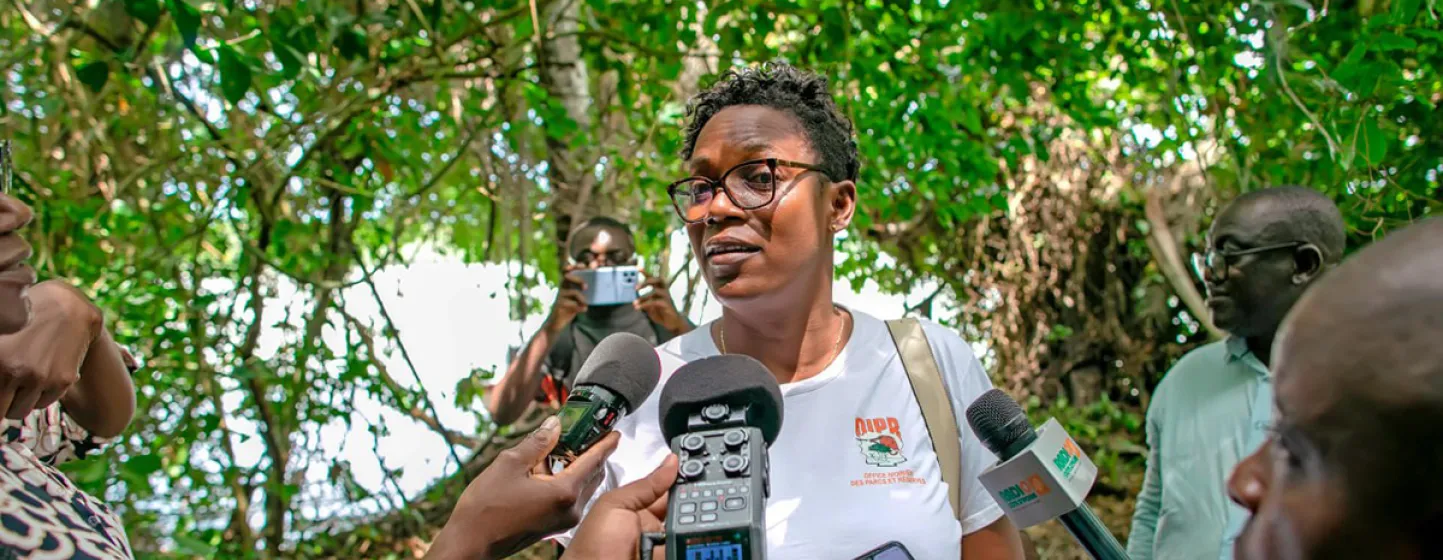
Focus on World Biodiversity Day: 16 reports across four countries
To mark World Biodiversity Day on 22 May 2026, Afri’Kibaaru 2 organised a media coverage initiative combining a masterclass with pop-up newsrooms.
Twenty-four journalists from the four countries involved in the project, including four RFI correspondents, took part in this initiative. Following a masterclass on selecting reporting topics and angles, the journalists produced 16 reports on specific biodiversity conservation issues.
From the survival of the chimpanzees in Bossou, Guinea, to the pollution of the Ébrié lagoon in Côte d’Ivoire, via the conservation of medicinal plants in Cameroon and alternatives to deforestation in Senegal, these reports illustrate the diversity of environmental issues and their impact on local areas.
A half-day of discussions between editorial teams from the four countries also provided an opportunity to compare reporting approaches, identify common issues and explore new regional collaborations.
This initiative illustrates Afri’Kibaaru 2’s aim: to make environmental issues regular news topics that are well-researched and accessible to as wide an audience as possible, beyond the confines of international events alone.
* Take a look at the reports produced to mark World Biodiversity Day...
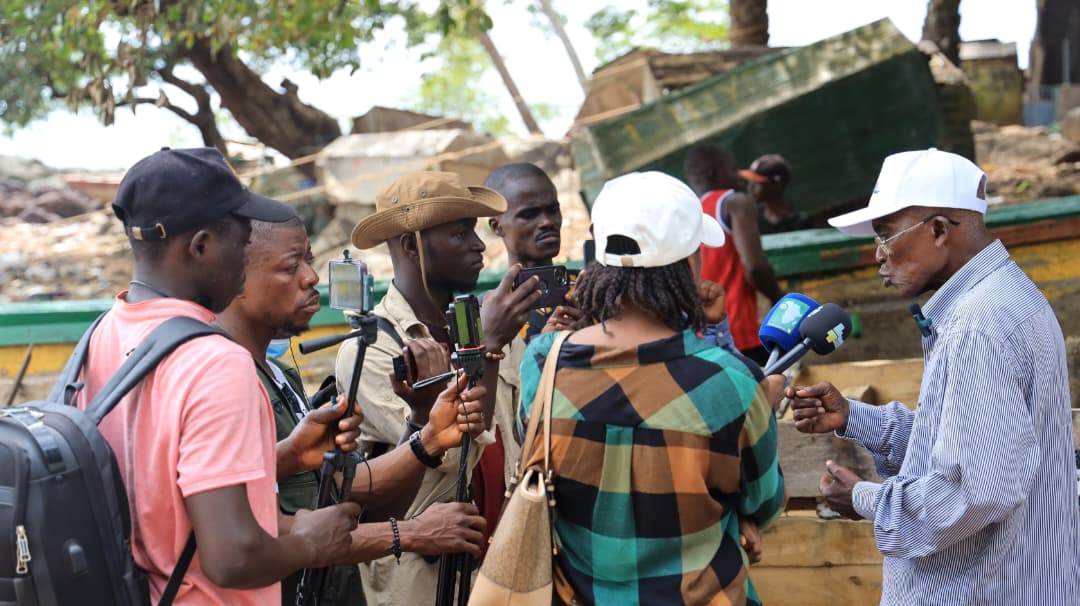
Terra Asia : Terra Asia: reporting on environmental issues and combating disinformation
In the Indo-Pacific, rising sea levels, ocean acidification and the degradation of ecosystems pose a particular threat to island territories and the communities that depend on them.
Operating in Fiji, Indonesia, Papua New Guinea and the Philippines, Terra Asia is training 16 journalists and media professionals on the ground, and supporting nearly 550 journalists online. Implemented by CFI in partnership with the Asia-Pacific Institute for Broadcasting Development (AIBD), with the support of the Ministry for Europe and Foreign Affairs, the project has two complementary objectives: to improve the media’s understanding of environmental issues and to strengthen their capacity to combat disinformation.
The first component focuses in particular on awareness-raising days, training sessions led by media and environmental specialists, and support in the production of verified and well-documented news content. It aims to make complex scientific phenomena more comprehensible to a wider audience.
The second component focuses on journalistic practices in tackling disinformation, particularly on social media. Professional ethics, journalists’ social responsibility, fact-checking techniques, digital research and the creation of content tailored to social media platforms are at the heart of the training programmes. Individual support is also provided to help participants produce resources capable of debunking false information on environmental issues.
Evolving journalistic practices
Initial findings from Terra Asia point to encouraging developments. Journalists who have completed the training courses are making greater use of digital fact-checking tools, diversifying their sources and consulting specialists more regularly. In Indonesia, a comparison of practices before and after the training courses confirms this progress.
The project also helped ensure greater consideration of gender equality issues in environmental reporting.
These changes are also reflected in a desire to share the knowledge gained. Several beneficiaries wish to pass on their new skills to their colleagues. Four media organisations and two partner universities have already launched initiatives building on the project, although these remain one-off efforts and are sometimes part of initiatives that were already in place.
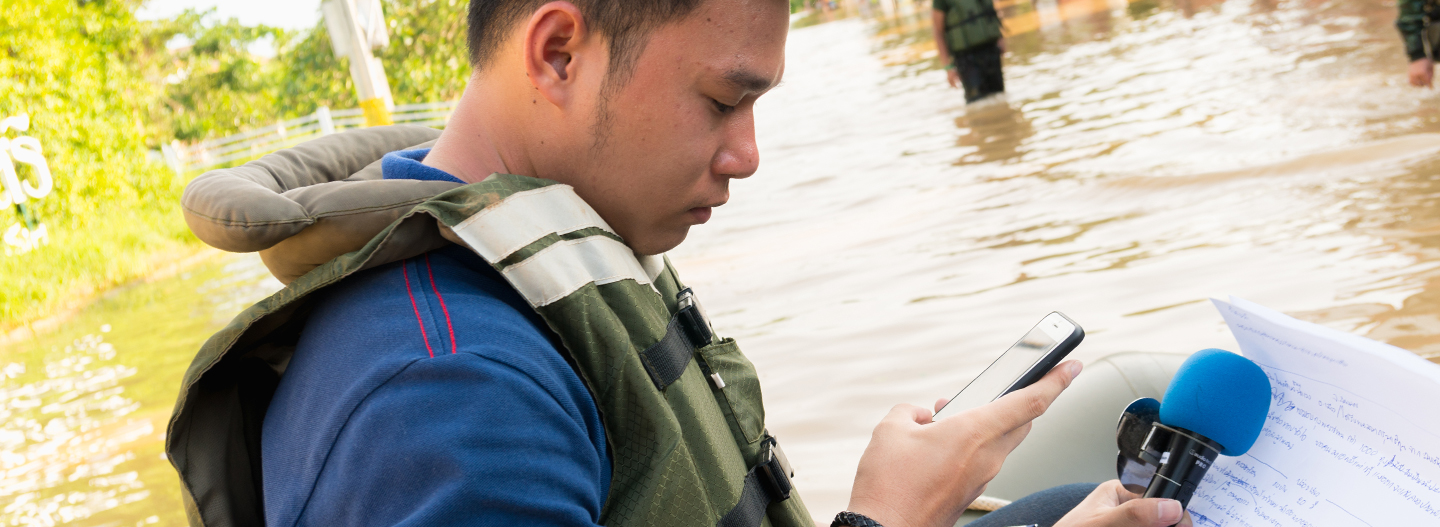
To build on this learning, Terra Asia organised a series of ten online training sessions led by journalist and trainer Robert Bourgoing between October 2025 and May 2026. Focusing on artificial intelligence, fact-checking and investigative techniques using open-source information, these sessions are now available on a dedicated YouTube channel.
This has ensured that these resources can be accessed and reused. However, their wider dissemination still needs to be organised in order to extend the project’s impact beyond those people who received the training directly.
* Take a look at the testimonials and initial results from Terra Asia.
Media organisations that are better equipped to explain environmental issues
In Africa and the Indo-Pacific alike, the Afri’Kibaaru 2 and Terra Asia projects address the same need: to enable journalists to gain a better understanding of environmental phenomena, to verify information and to make it accessible to as many people as possible.
The protection of biodiversity does not depend solely on decisions taken at international conferences. It also hinges on the media’s ability to document changes in local areas, to give a voice to the communities affected and to inform public debate based on established facts.