
In what ways is AGILE training changing community journalism in Kyrgyzstan and Uzbekistan?
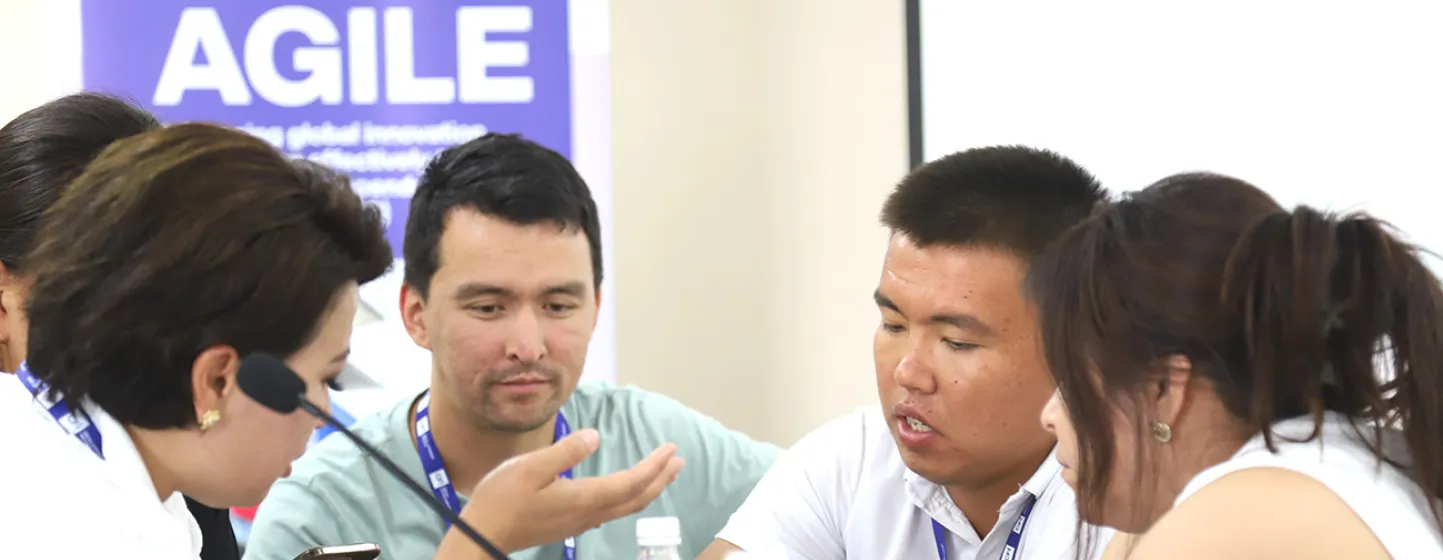
In July 2026, fifteen journalists, bloggers and civil society communicators from t Kyrgyzstan and Uzbekistan took part in an AGILE community journalism training course in Batken.
Participants are already putting their new skills into practice, ranging from mobile reporting and innovative storytelling formats to ethical interviewing, and are witnessing shifts in audience engagement with their content.
We are often the only source of information these families have, says Rakhat Sagynbek Kyzy. We were already doing the work of community journalists. We wanted to start doing it properly.
Sagynbek Kyzy runs Insan Leilek, a public foundation in southern Kyrgyzstan that works with labour migrants and their families. Many women are left to run households alone. Children are left in precarious care. Men trying to find legal work in Russia and get paid for it. The foundation has eight members of staff, including one trained journalist, and nearly 15,000 people follow its social media page for news.
In July, she was one of fifteen journalists, bloggers, and civil society communicators from Kyrgyzstan and Uzbekistan who took part in a four-day community journalism training course in Batken. The course was run by CFI as part of AGILE, an EU-funded project that supports independent media in countries where media freedom is under threat. The course was delivered in partnership with Irbis Communication and Salam Media.
The training combined practical basics with newer tools: mobile journalism techniques, AI-assisted editing, including transcription and subtitling tools, and a dedicated session on media ethics and responsible reporting. The group was shown these tools, then sent out to report.
The difference turned up in the comments. Insan Leilek had been publishing information for years, useful and largely ignored. New storytelling methods seem to pay off.
Find a character, or become one
Eldiiar Bakirov had the opposite problem.
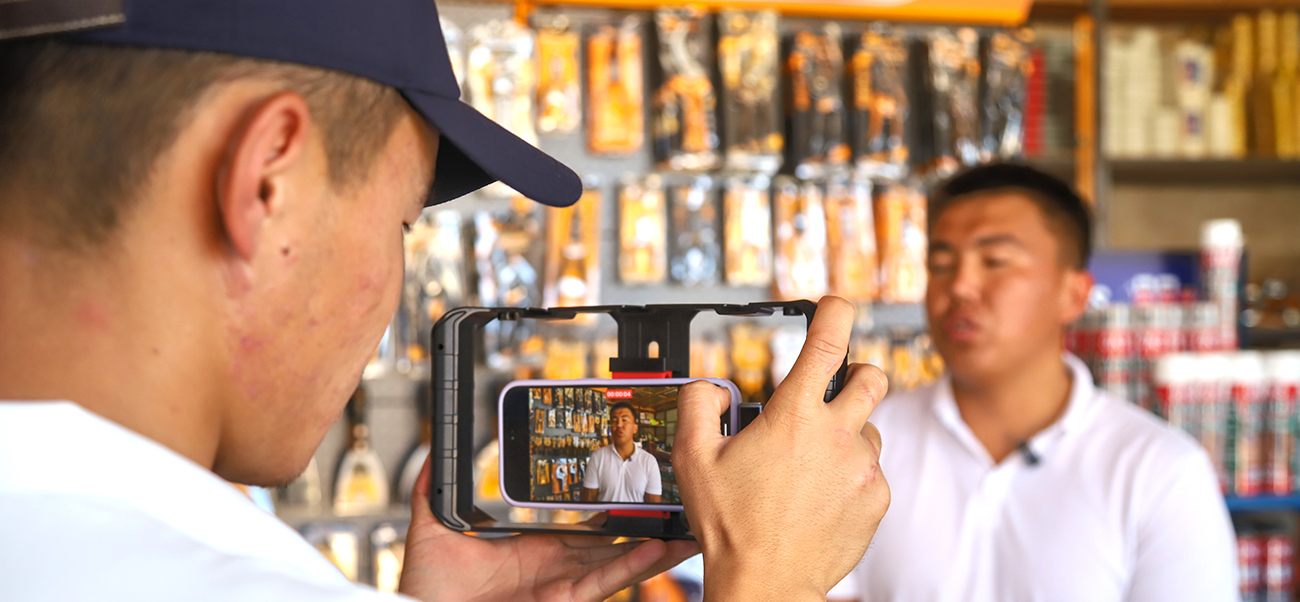
A former journalist, he now runs the Kyrgyz-language Instagram project @yibulooo with his wife, who is also a former journalist. Together, they cover topics such as family relationships, domestic violence prevention, childcare, and the unglamorous aspects of raising a child, such as lifts that do not work, non-existent ramps, and unmaintained playgrounds. He is the one on camera, and that is deliberate.
He signed up to refresh his knowledge and to learn how audiences have changed. Every year, every month the way you deliver information shifts. You have to learn it.
The technique he keeps returning to is the oldest one in the trade: putting a single person at the centre of a general problem.

The formats that bring more readers
Sabohat Rahmon is an experienced journalist who has worked in television and now runs Ayollar.uz, a platform for women in Uzbekistan published in Uzbek and Russian from Andijan in the Fergana Valley.
She has written about over 700 women, and continues to support them afterwards. One woman, thrown out by her husband and mother-in-law with two young children, experienced a period of homelessness. Four years of reporting, housing advocacy, and medical support were needed before she was working and independent.
Batken was Rahmon's first training ground.
The tool she has used the most since then is also the smallest: cards, a short social media format in which the essential information sits next to a single image at the top. She has published two.
From training to measurable results
The results of the pre- and post-training tests are consistent.
The proportion of participants who rated their confidence as high or very high increased from 44% to 80% for identifying community stories and producing video and audio content on a phone, and from 33% to 93% for conducting ethical interviews with vulnerable sources. Confidence in using the AI-assisted editing tools increased the least, with three participants still rating themselves low at the end.
This matches what the participants asked for: more time to work on projects. Both Rahmon and Sagynbek Kyzy said this independently.
What comes next?
Following the training, participants could apply for one of two follow-on subgrants to take their projects further — one for individual community journalism projects, one for collaborative reporting with civil society partners.
The model is now being adapted beyond Batken. AGILE will replicate the training in Uganda, with two further sessions tailored to community radio and to disability-led organisations.
The AGILE Community Journalism Training took place in Batken, Kyrgyzstan, on 13–16 July 2026. Interviews were conducted in Russian and have been translated and edited for length.
AGILE training in Batken: key impacts
15 participants from Kyrgyzstan and Uzbekistan took part in four days of training.
44% to 80%
The percentage of participants rating their confidence as high or very high in identifying community stories and producing mobile video and audio content increased from 44% to 80%.
33% to 93%
The percentage of participants rating their confidence as high or very high in conducting ethical interviews with vulnerable sources increased from 33% to 93%.
Participants also reported putting new formats and storytelling techniques into practice after the training, with some observing increased audience engagement.