When Journalists and Civil Society Sit in the Same Room: Lessons from Zambia
Related project
AGILEAlthough the media shapes public perception, coverage of marginalised groups in Zambia often relies on stereotypes and pity-driven narratives rather than taking a rights-based approach.
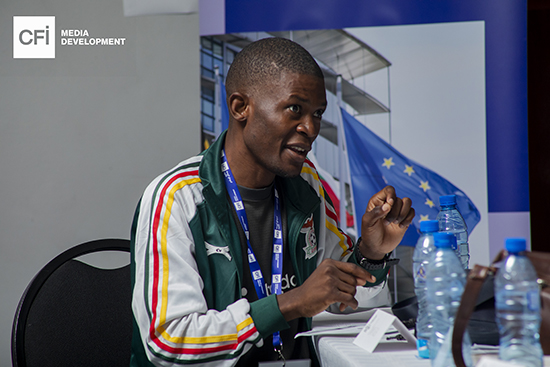
Community radio stations, which are vital for reaching rural audiences, struggle to produce nuanced content due to resource constraints. To address this issue, the AGILE initiative, which is funded by the European Union, hosted a three-day Diversity and Inclusion Workshop in Lusaka from 5 to 7 May 2026.
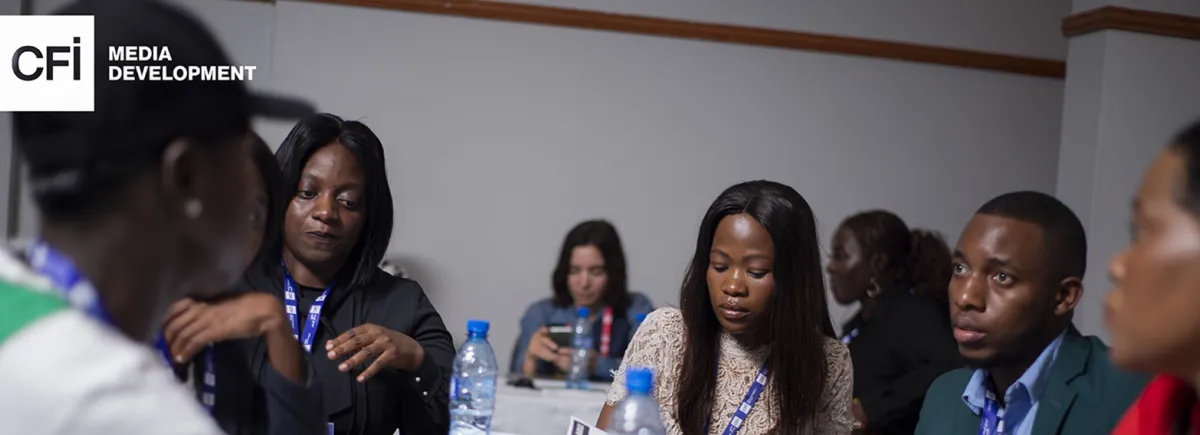
Organised by CFI and supported by Istorias Media and the Bloggers of Zambia, the event brought together twenty participants, including journalists, editors and representatives from civil society and disability organisations from five Zambian provinces.
The workshop fostered skills development and cross-sector dialogue, laying the groundwork for future collaboration.
Trading skills instead of working in silos
The event broke down barriers by bringing together civil society representatives and journalists together for conversations. For media trainers, hearing directly from participants about their needs was a turning point, as both sides demonstrated a willingness to understand professional and personal constraints. A networking exercise mapped out participants' skills, revealing an ecosystem in which they could exchange investigative reporting expertise for multimedia production training and access to gender data.
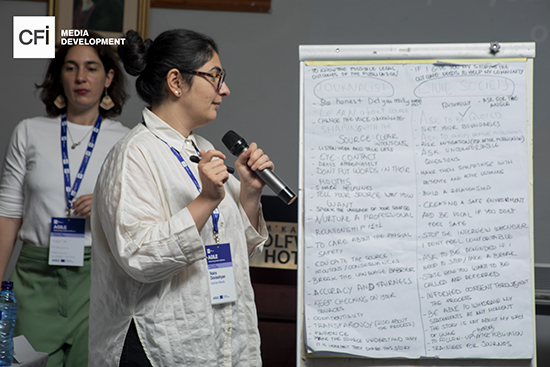
In response to the lack of trust hindering relationships between the press and civil society, participants collaborated to created a Practical Guide for Journalists and Civil Society.
Based on the principles of accountability and consent, the framework requires journalists to prioritise safety, regularly check in with their sources, and anonymise names when necessary. Conversely, civil society members established guidelines on setting boundaries and the right to withdraw statements.
The framework was tested during a newsroom simulation, which helped participants navigate editorial dilemmas.
The Story Pitch Lab: from theory to practice
On the final day, theory turned into action during the Story Pitch Lab. Journalists collaborated with civil society organisations to develop story projects, and a panel of judges selected three concepts to receive development support.
The successful projects were an investigation into the barriers preventing women from running for political office, an examination of why disability-led cooperatives struggle to access the Constituency Development Fund in Kabwe, and an exploration of the menstrual hygiene challenges faced by disabled people in rural areas.
The Lusaka workshop demonstrated that inclusive journalism encompasses more than merely training reporters; it also involves rebuilding trust between the media and the communities they cover.
When journalists and civil society come together, new stories emerge.
As AGILE continues its work worldwide, the frameworks and tools developed in Zambia will inform future activities and contribute to the growing body of evidence demonstrating that rights-based, community-centred journalism can thrive, even in environments where the media is restricted.