From digital technology to universities: SA7 is accelerating the integration of fact-checking in the Arab world
Related project
SA7Over the course of ten months, the SA7 project has strengthened the foundations of the fact-checking ecosystem in several countries across the Arab world. Development of innovative tools, integration of fact-checking prior to publication in newsrooms, support for organisations and academic engagement: a look back at ten months of tangible progress.
The growing importance of digital tools and fact-checking within editorial processes
The Arab Fact Checkers Network - AFCN chatbot and the marketplace are two tools developed as part of the SA7 project. The first aims to fact-check content in Arabic, and the second aims to streamline the work-flow between fact-checkers and media organisations. These tools have continued to evolve, incorporating new AI-based features and improving their accessibility.
Created by ARIJ (Arab Reporters for Investigative Journalism), the chatbot continues its process of adoption. Since July 2024, 6,262 people have discovered the chatbot, 1,500 of whom have done so over the last ten months. Of these, 757 use it regularly. More than 450 pieces of content were verified, 10 per cent of which were checked using artificial intelligence (AI). In terms of subject matter, 24 per cent of enquiries related to the war in Palestine and 18 per cent to politics.
In terms of its network, the AFCN has welcomed three new members to its marketplace, bringing the team to 17 fact-checkers (44 per cent of whom are women) from seven Arab countries (Bahrain, Egypt, Jordan, Lebanon, Palestine, Tunisia and Yemen).
The tool has supported four media organisations - Raseef22 (Pan-Arab/Lebanon), Muwatin (Gulf States/Oman), Palgraph (Palestine) and Siraj (Syria) - in integrating fact-checking prior to publication, notably for five investigations and six in-depth reports.
A further 8 media organisations in the region have also recently adopted new techniques for verifying information prior to publication, following their participation in three online training sessions (covering the basics and development of a fact-checking approach, the InVID video verification platform, and web archiving).
These two developments bring the total number of media organisations now using the marketplace to verify their stories prior to publication to 12. Skills development that contributes directly to the quality of information and to the fight against disinformation.
A safety net for the most vulnerable organisations
At a time of declining international funding, the SA7 project has provided financial support to nine organisations specialising in fact-checking in six countries (Egypt, Jordan, Lebanon, Palestine, Tunisia and Yemen). These grants have enabled the production of high-quality, reliable content (636 audit reports), whilst helping to keep the teams operational (including more than 20 fact-checkers) and ensuring the continuity of operations in often fragile contexts. Essential support in a climate of growing disinformation.
The academic challenge: training the next generation of fact-checkers
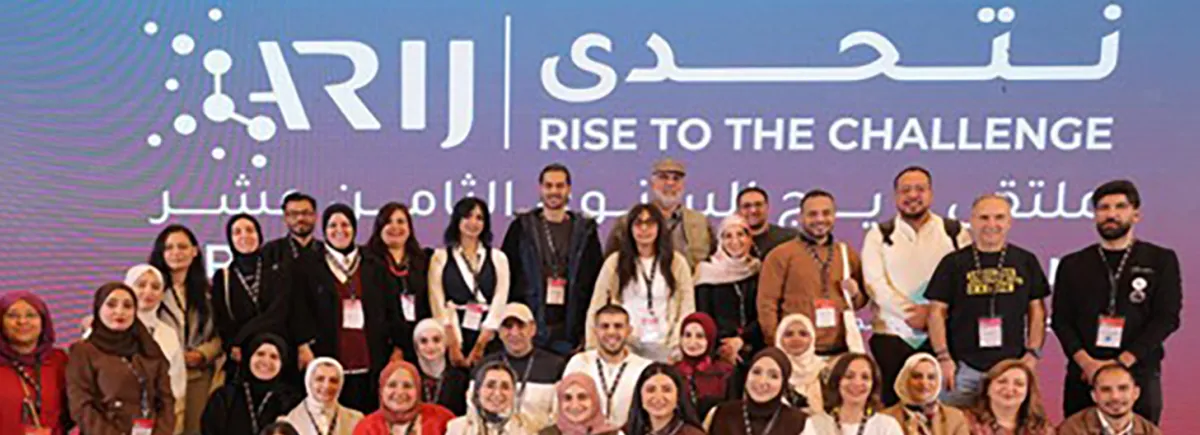
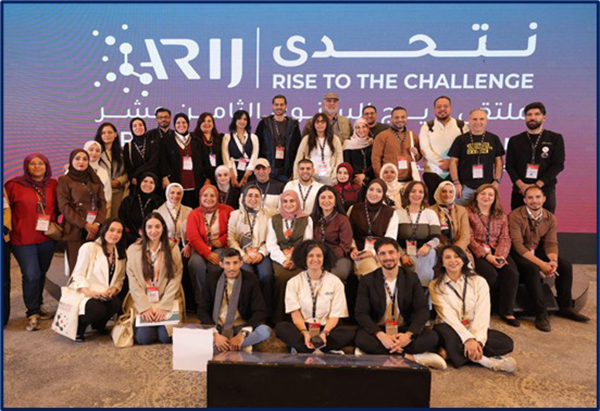
One of the successes of the SA7 project is the development of an Arabic-language fact-checking curriculum for universities. It was finalised and officially announced during the ARIJ Forum, an annual event bringing together media professionals from the region, which took place from 5 to 7 December 2025 in Amman, Jordan.
21 academic staff members from 18 universities in 12 countries (Algeria, Bahrain, Egypt, Iraq, Jordan, Lebanon, Libya, Morocco, Palestine, Somalia, Sudan, Yemen) have undergone training in this curriculum, thereby laying the foundations for its sustainable integration into higher education.
Published in the form of a guide, the curriculum was viewed by 971 people and downloaded 436 times in 24 days; the printed version was widely distributed at the ARIJ Forum. This is a significant step towards strengthening expertise within academia and improving the integration of fact-checking into university programmes and wider society.
Preparing for the future of the network
The ARIJ Forum also provided an opportunity to bring together 32 members of the AFCN network from 14 countries to discuss the project’s achievements and its future. There, members reviewed the AFCN’s activities over the past five years and collectively considered its priorities and roadmap for the next five years.
The following are among the priorities identified:
- Training courses in project proposal writing to secure independent funding and ensure the long-term viability of emerging organisations
- The establishment of a “protective legal framework” and support for digital security against piracy and political pressure, particularly in conflict zones
- A unanimous call for a shift from basic training towards advanced technical skills, particularly in artificial intelligence (AI), OSINT, data analysis and impact assessment
- Calls for widespread support for media and information literacy initiatives