98 journalists, 300 articles: Media Parity is shaking up the media landscape on gender issues
Related project
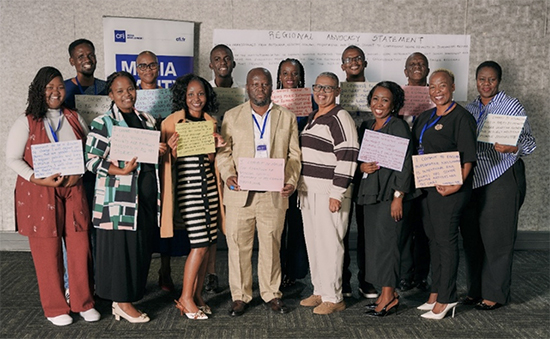
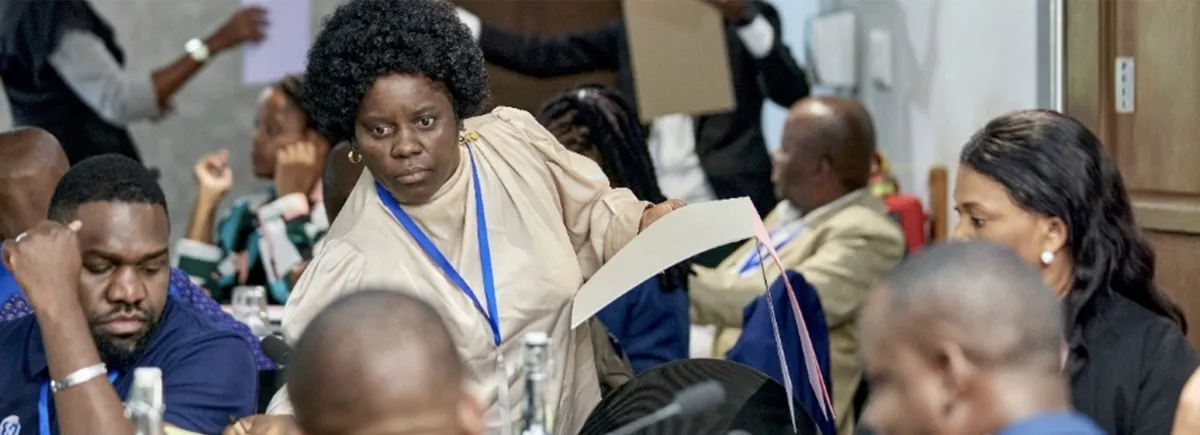
Media ParityNearly 50 journalists and 22 media organisations from five countries in southern Africa (Botswana, Malawi, Mozambique, Lesotho, Zambia) were in Johannesburg to bring the Media Parity project to a close and to take stock of their efforts to promote the role and representation of women in the media.
By January 2025, this project will have trained 98 journalists on gender issues, produced and disseminated more than 300 pieces of gender-related content, and raised awareness within the media about the fight against sexual harassment and violence.
Two days to take stock and plan for the future
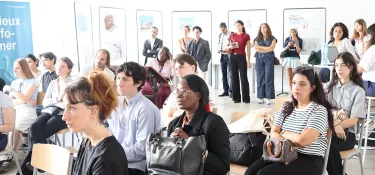
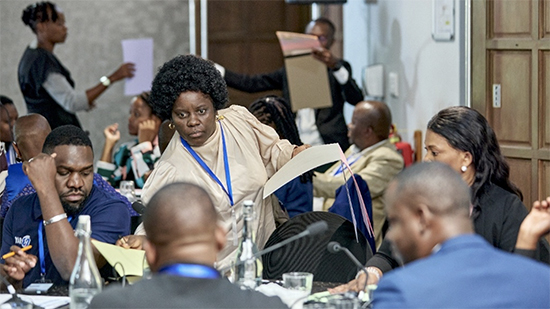
On 15 and 16 April 2026, the beneficiaries of the Media Parity project gathered in Johannesburg to identify the key lessons from the initiatives carried out to promote gender equality in the media since the project’s launch in April 2024. The discussions centred around the review of the project, the lessons learned and the outlook for continuing efforts to promote equality in the media.
Over the course of these two days of discussions, participants were able to examine in greater detail the changes observed within the partner newsrooms: the incorporation of more gender-sensitive approaches into journalistic content, the strengthening of mechanisms to prevent harassment, and the adoption of more inclusive management practices.
A number of workshops also enabled CFI to gather recommendations from beneficiaries and partners to inform future initiatives in the region, thereby addressing the challenge of capitalising on and sustaining the impact of projects over the long term.
An official ceremony brought together the participants and David Martinon, the French Ambassador to South Africa, providing an opportunity to present the main outcomes of this project and the prospects for continuing the work beyond the two-year duration of Media Parity.
Two priority areas for promoting greater gender equality in journalism
The Media Parity project was structured around two main areas: supporting the media to encourage the emergence of journalism and news reporting that is more gender-sensitive, and giving more space to female journalists within newsrooms.
How? Moving away from a male perspective, covering gender-related issues more extensively, and diversifying sources to give women a voice are all ways of ensuring that news coverage is more closely aligned with gender equality. Selected on a gender-balanced basis, the project participants were able to raise their awareness through training and coaching sessions delivered in collaboration with the local partner Gender Links.
Following these sessions, more than 300 articles addressing gender issues were produced and published in partner media outlets.
These activities have helped to promote a more gender-sensitive approach to journalism and the representation of women within the media. Jamiah Nkhoma, founder and director of Live FM, a radio station based in Lusaka, Zambia, says:
Tackling sexual violence and harassment in the workplace: priority areas for action
Media Parity has also made combating violence and sexual harassment in the workplace a priority: these are major obstacles to the careers of female journalists, depriving them of a voice within the media. Awareness-raising sessions were organised for all staff at the 22 participating media organisations, and specific support was provided to the managers of these organisations to help them draw up or update their internal policies on combating sexual harassment.
Commitments for the future
Commitments co-developed with the participating media outlets were formalised during the conference. Journalists in Mozambique, for example, have made the following commitment:
CFI will remain committed to the region, notably through the Connected Media, Informed Citizens which aims to combat disinformation, with a particular focus on gender-related disinformation. Against a backdrop of information manipulation, particularly targeting women and gender issues, this new project builds on the work carried out by CFI and its partners to promote more inclusive and engaged media that foster democratic debate.